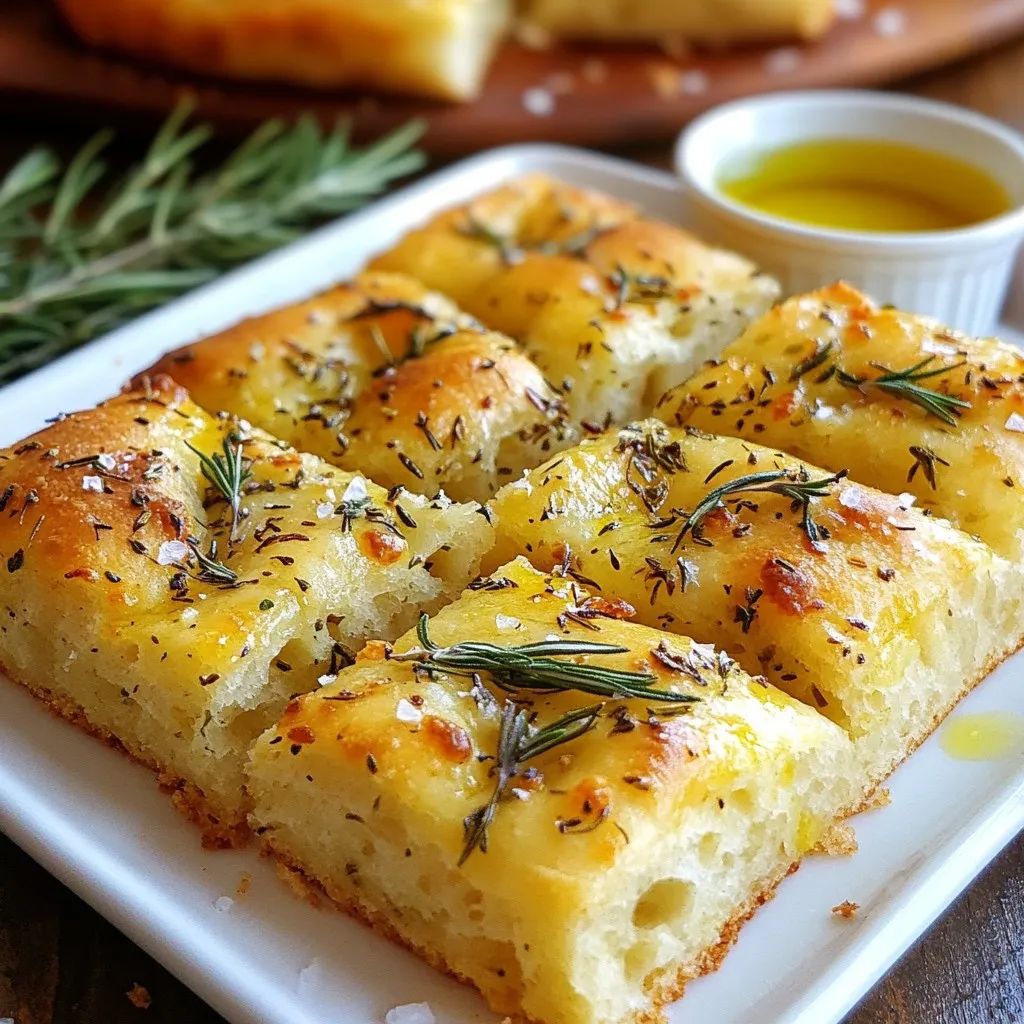
Are you ready to elevate your bread-baking game? This Herb Garlic Focaccia Bread recipe combines easy steps with bold flavors to create a delightful dish. With simple ingredients and a generous dose of fresh herbs, you’ll impress family and friends alike. Let’s dive into this warm, golden treat that’s perfect for any meal. Trust me, once you smell it baking, you won’t want to stop!
Why I Love This Recipe
- Easy to Make: This focaccia recipe is straightforward, requiring minimal ingredients and simple steps, making it perfect for both novice and experienced bakers.
- Flavorful Herb Blend: The combination of fresh rosemary, thyme, and garlic infuses the bread with a delightful aroma and taste that elevates any meal.
- Perfect Texture: Baking it to a golden brown gives a crispy crust while keeping the inside soft and chewy—just the way focaccia should be!
- Versatile Serving Options: This focaccia can be enjoyed on its own, used for sandwiches, or served as a side with dips, making it a versatile addition to any table.
Ingredients
Main Ingredients
– 4 cups all-purpose flour
– 2 teaspoons active dry yeast
– 1 tablespoon sugar
– 1 ½ cups warm water
– 1 teaspoon salt
– ¼ cup olive oil
– 1 tablespoon fresh rosemary
– 1 tablespoon fresh thyme
– 5 cloves garlic
– Coarse sea salt
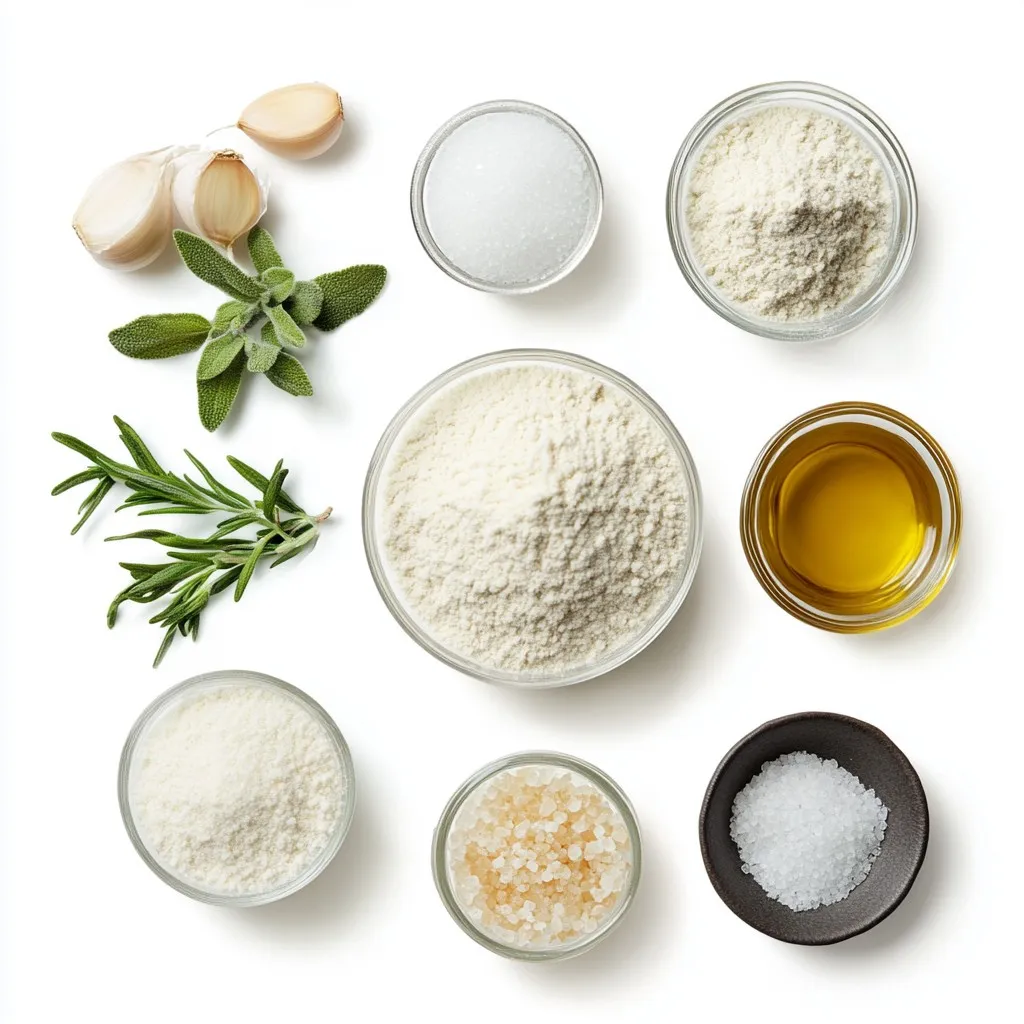
To make a great focaccia, you need the right ingredients. The flour gives the bread its structure. Yeast helps it rise and become soft. Sugar feeds the yeast, making it active. Warm water activates the yeast. Salt enhances flavor and controls yeast growth. Olive oil adds richness and moisture. Fresh herbs and garlic give it that amazing taste.
Optional Ingredients for Variation
– Additional herbs (e.g. oregano, basil)
– Toppings (e.g. cherry tomatoes, olives)
– Cheese options (e.g. parmesan, mozzarella)
You can mix things up by adding more herbs or toppings. Oregano or basil can add a nice twist. Cherry tomatoes and olives can give it a burst of flavor. Cheese like parmesan or mozzarella can make it even better.
Step-by-Step Instructions
Preparation Steps
1. Activate the yeast: Start by mixing 2 teaspoons of active dry yeast and 1 tablespoon of sugar in 1 ½ cups of warm water. Let it sit for 5 to 10 minutes. You’ll see bubbles form on top. This shows the yeast is alive.
2. Prepare the dough: In a large bowl, add 4 cups of all-purpose flour and 1 teaspoon of salt. Make a well in the center. Pour in the frothy yeast mixture and ¼ cup of olive oil.
3. Knead until smooth: Use a wooden spoon to mix the dough until it becomes shaggy. Then, place it on a floured surface. Knead the dough for 5 to 7 minutes. You want it to feel smooth and elastic.
Rising Process
1. First rise (1 hour): After kneading, place the dough in a lightly greased bowl. Cover it with a damp cloth. Let it rise in a warm spot for 1 hour, or until it doubles in size.
2. Second rise (30 minutes): Once the dough has risen, punch it down gently to release air. Transfer it to a greased baking pan, about 13×9 inches. Stretch the dough to fit the pan. Use your fingertips to make dimples all over the top. Cover it again and let it rise for another 30 minutes.
Baking Details
1. Preheat oven: While the dough is rising for the second time, preheat your oven to 400°F (200°C). This ensures your focaccia bakes evenly.
2. Bake until golden brown: After the second rise, mix minced garlic, chopped rosemary, and thyme. Spread this mixture over the dough, drizzle with olive oil, and sprinkle coarse sea salt. Bake for 20 to 25 minutes. You want it golden brown and crispy on the edges. Enjoy the warm, fragrant aroma!
Tips & Tricks
Perfecting Your Focaccia
To make great focaccia, start with kneading. Knead the dough for about 5-7 minutes. This helps develop gluten, which gives your bread a nice texture. You want the dough to feel smooth and elastic. If it sticks to your hands, just add a bit more flour.
Rising is key. After kneading, let the dough rise in a warm spot. Cover it with a damp cloth for about 1 hour. This helps the dough double in size. For the best results, check that your yeast is fresh and active.
Don’t skip the dimples! Use your fingertips to make deep dimples on the dough. This helps hold the olive oil and herbs. The oil adds flavor and keeps the bread moist. Drizzle more olive oil on top before baking. It creates a crispy crust.
Serving Suggestions
Focaccia is great on its own, but you can make it even better. Slice it into squares and serve it warm. A small bowl of olive oil for dipping is a must. You can also add balsamic vinegar for extra flavor.
Fresh herbs make a lovely garnish. You can sprinkle extra rosemary or thyme on top for a vibrant look. This adds a nice touch and enhances the aroma.
Troubleshooting Common Issues
Sometimes, dough won’t rise. This can happen if the yeast is old or the water is too hot. Always use warm water around 110°F. If the dough doesn’t rise, try to warm the area.
If your focaccia is undercooked, check oven temperature. Make sure your oven is preheated to 400°F. You may need to bake it longer if it looks pale. A golden crust means it’s done. Always let it cool slightly before slicing.
Pro Tips
- Use Fresh Herbs: Fresh herbs like rosemary and thyme enhance the flavor of focaccia. Opt for organic herbs for the best taste.
- Control Dough Temperature: Ensure your water is at the right temperature (110°F or 43°C) to activate the yeast effectively without killing it.
- Dimples Matter: Making dimples in the dough not only creates a beautiful texture but also holds the garlic and herb oil, infusing more flavor.
- Let it Rise: Don’t rush the rising process; allowing the dough to rise properly results in a lighter, airier focaccia.
Variations
Flavor Variations
You can change the taste of your focaccia. Use different herbs like chives or sage. These herbs add unique flavors. You can also add spices. Red pepper flakes give a nice kick. Try mixing herbs and spices to find your favorite combo.
Dietary Modifications
If you need gluten-free options, use a gluten-free flour blend. Make sure it has a good structure. For a vegan focaccia, swap the honey for maple syrup. This keeps the sweetness without using animal products.
Topping Ideas
Get creative with toppings! Use seasonal vegetables like bell peppers or zucchini. These add color and nutrition. Cheeses like parmesan or mozzarella also work well. You can even spread hummus or pesto on top for extra flavor.
Storage Info
Short-term Storage
Store your herb garlic focaccia at room temperature. Place it in a bread box or a paper bag. This keeps it fresh for up to two days. If you use plastic, it may become soft.
Long-term Storage
To freeze your focaccia, wrap it tightly in plastic wrap. Then, place it in a freezer bag. It stays good for up to three months. When you are ready to eat it, thaw it overnight in the fridge.
To reheat, preheat your oven to 350°F (175°C). Place the focaccia on a baking sheet. Heat for about 10-15 minutes. This brings back its warm, crispy edges.
Best Practices
To keep your focaccia fresh longer, store it away from direct sunlight. Use a bread box or a cloth bag for better air circulation. If you plan to eat it later, slice only what you need. This helps maintain its texture and flavor.
FAQs
How do you store homemade focaccia?
To store homemade focaccia, you can use a few methods. First, let the bread cool completely. Then, wrap it tightly in plastic wrap or aluminum foil. This helps keep it fresh. You can also place it in a zip-top bag. Store it at room temperature for up to three days. If you want to keep it longer, place it in the fridge. Just note that this may change the texture a bit.
Can I freeze focaccia bread?
Yes, you can freeze focaccia bread! To do this, first cool the bread completely. Then, wrap it tightly in plastic wrap. After that, place it in a freezer bag. Label it with the date so you remember when you froze it. To thaw, take it out and leave it at room temperature for a few hours. You can also warm it in the oven for a few minutes to make it fresh again.
What makes focaccia different from bread?
Focaccia is different from regular bread mainly in its preparation and ingredients. Focaccia uses more oil, which makes it rich and soft. The dough also rests longer, allowing it to rise more. Unlike many breads, focaccia has dimples on top, which hold oil and toppings. This gives it a unique texture and flavor.
How do I make focaccia crispy?
To make focaccia crispy, focus on a few key tips. First, use a good amount of olive oil. This helps create a crisp crust. Next, bake it at a high temperature, around 400°F (200°C). This helps the edges brown nicely. Finally, let it cool on a wire rack. This prevents steam from making it soggy.
Making focaccia is simple and fun. You learned about the key ingredients, like flour, yeast, and herbs. I shared tips for kneading and rising to create the best bread. You also saw many ways to customize your focaccia with toppings and flavors.
In closing, making focaccia at home brings joy and deliciousness. With a few ingredients and steps, you can enjoy warm, fresh bread. Now, it’s time to gather your ingredients and bake your own focacci